66 Lottery Platform Security and Privacy Guidelines
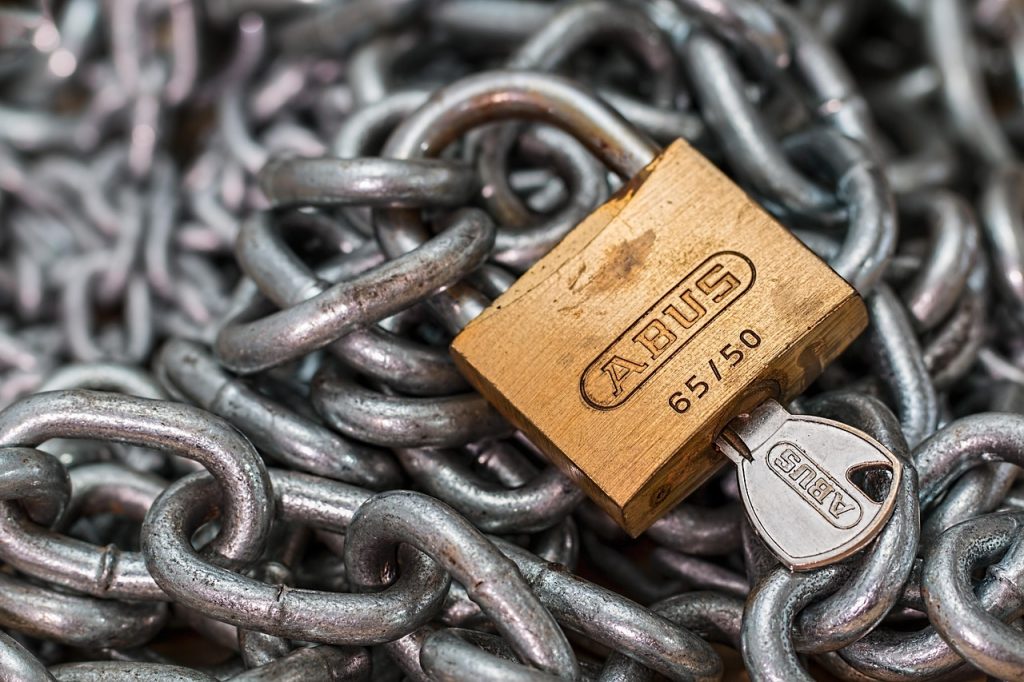
When people use online entertainment services, they may share account details, contact information, payment records, and other personal data. Protecting this information requires a combination of careful user behavior, appropriate technical safeguards, and transparent privacy practices. 66 Lottery gives a context for discussing the security principles that users should consider when accessing online lottery-style entertainment.
Although the specific security arrangements of any platform must be independently verified, established privacy guidelines can help users recognize potential risks, protect their accounts, and make better-informed decisions.
1. Verify the Platform Before Sharing Information
One of the simplest security precautions is confirming that a website or application is legitimate before entering personal information. Fraudulent websites may imitate familiar names, copy interface designs, or use misleading messages to convince people to register.
Users should carefully check the website address, avoid suspicious links, and look for inconsistencies in the service’s identity. Search results, advertisements, and social media recommendations should not automatically be treated as proof of legitimacy.
It is also important to remember that an encrypted connection does not establish that a website is trustworthy. Encryption protects information travelling between a device and a website, but it cannot guarantee that the website itself is honest or properly managed.
Before creating an account on a service such as 66 Lottery, users should review available terms, privacy information, and relevant legal requirements. If the platform’s identity or legitimacy cannot be established, withholding personal information is the safer option.
2. Create Strong and Unique Account Credentials
Passwords remain an important part of account security. Reusing the same password across multiple websites creates unnecessary risk because a breach on one service may expose other accounts.
A strong password should be difficult to guess and different from those used elsewhere. A password manager can help users generate and store unique credentials without needing to memorize each one.
Where available, multifactor authentication adds another layer of protection by requiring an additional verification step. Users should enable appropriate security options and keep account recovery information current.
Passwords and verification codes should never be shared with strangers or unofficial support representatives. Legitimate troubleshooting should not require disclosing a complete password or one-time verification code.
These habits are useful across online services, regardless of the particular security features offered by a platform.
3. Understand What Personal Information Is Collected
Privacy protection begins with understanding what information a service requests and why it may need it. Depending on the service, information could include a name, contact details, device data, account activity, or transaction records.
Users should read the privacy notice and look for explanations of data collection, storage, sharing, retention, and deletion procedures. They should be cautious when a service requests information that appears unrelated to its stated purpose.
The principle of data minimization is especially important: users should avoid sharing more information than necessary.
For 66 Lottery, users should not assume that particular privacy protections exist unless they can confirm them through reliable documentation. If information about data handling is missing or unclear, that uncertainty should be considered before registration.
4. Protect Payment Information and Transaction Records
Financial information requires particular care. Before making any payment, users should verify the recipient, confirm the amount, and review the applicable conditions.
Users should never send money to an unknown individual who claims to be an official agent without independently verifying that person’s authority. Requests for extra payments to release winnings, unlock withdrawals, or bypass account restrictions should be treated as potential warning signs.
It is also useful to retain transaction references and monitor statements from the original payment provider. If an unfamiliar payment appears, users should contact their bank or payment service promptly through an official channel.
Screenshots and transaction records can help document a dispute, but they should be stored securely and shared only when necessary. Sensitive information should be obscured whenever it is not required for verification.
5. Recognize Phishing and Social Engineering
Not every security threat involves sophisticated software. Many attacks rely on manipulating people into revealing information or authorizing a payment.
A fraudulent message might claim that an account will be suspended unless the user acts immediately. Another might promise a prize and request personal details or an advance fee.
Common warning signs include urgent threats, unrealistic rewards, unexpected attachments, unfamiliar website addresses, and requests for passwords or verification codes.
Users should independently open the verified website or application instead of following links in suspicious messages. If a message claims to come from customer support, its identity should be checked through a separate, trusted channel.
6. Use Devices and Networks Carefully
Account security also depends on the device used to access a service. Keeping operating systems and browsers updated helps address known security weaknesses.
Users should install applications only from trustworthy sources, review requested permissions, and avoid software that promises unofficial access or special benefits. Public computers and shared devices should not retain login details, and users should sign out after completing sensitive activities.
Public Wi-Fi can introduce additional risks, especially when users cannot verify the network’s authenticity. Users should avoid sensitive transactions on untrusted networks when possible and use appropriate security protections.
7. Respond Quickly to Security Problems
If users suspect that an account has been compromised, they should act promptly. Where safe and possible, they should change the affected password, secure the associated email account, revoke unfamiliar sessions, and enable additional authentication protections.
For suspected unauthorized payments, the relevant bank or payment provider should be contacted immediately. Users should also preserve evidence and report the incident through verified support channels.
Conclusion
66 Lottery platform security and privacy can be approached through a set of practical principles: verify legitimacy, use unique passwords, limit personal data sharing, protect transaction records, recognize suspicious messages, and maintain secure devices.
Also read: Sikkim Game: Examining User Access Rules and Compliance Responsibilities
Finally, online lottery-style gaming can involve financial and legal risks. Users should verify applicable laws and age restrictions, never assume winnings are guaranteed, and avoid treating gaming as a dependable source of income. Strong privacy habits and responsible participation are essential parts of a safer digital experience.