Why an Eco Friendly Yoga Mat Belongs in Your Daily Practice
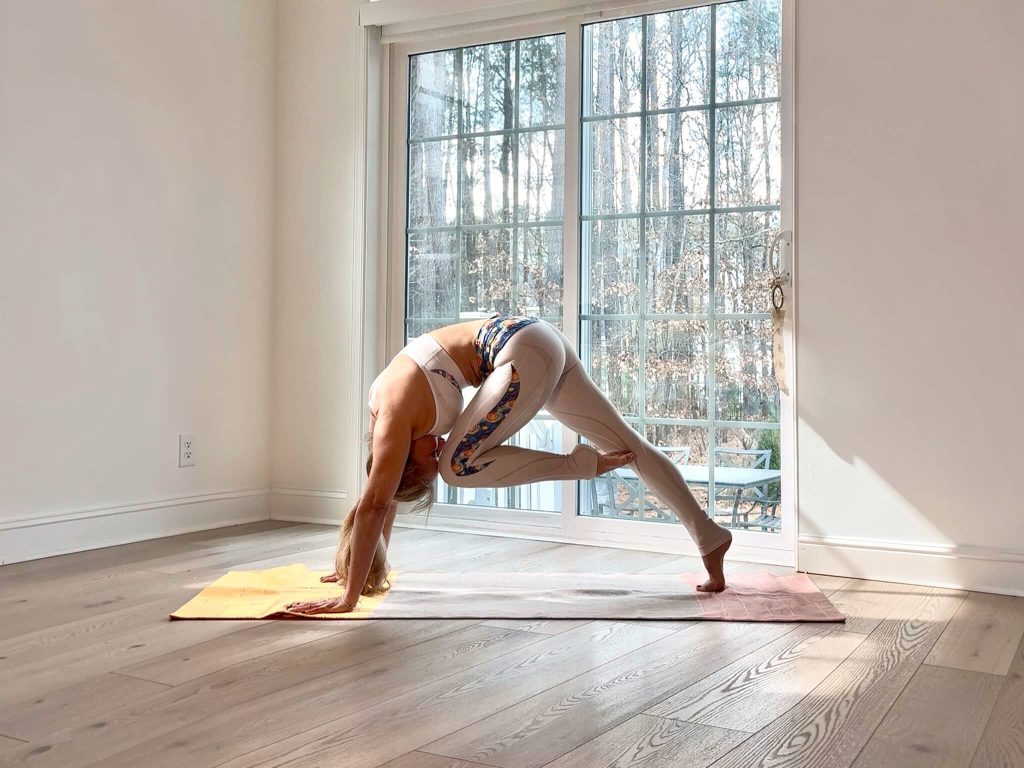
Most of us never think twice about the thing we spend an hour breathing inches above. We pick a mat, unroll it, and get on with the flow. But that surface matters more than we give it credit for. The moment I switched to an eco friendly yoga mat, my practice started feeling a lot better. The mat just felt honest, like it wasn’t hiding anything.
More Than a Spot on the Floor
The smell is the one thing about cheap mats that no one warns you about. You buy one, open the packaging, and there’s that sharp plastic odor that lingers for weeks. You’re folding into a pose, face hovering near the surface, breathing it in. Not exactly the calm you came for. I put up with it for years before I realized I didn’t have to.
A lot of those mats are made from PVC and similar plastics. They feel good at first, but soon they flake, peel, and wind up in a landfill, where they sit for a very long time. Natural materials behave differently. They wear in instead of wearing out, and when you’re done with them someday, they don’t haunt the planet for the next fifty years.
What Actually Makes an Eco Friendly Yoga Mat
The word “eco” gets slapped on everything now, so it pays to look past the label. What you really want is simple, honest stuff: organic cotton, natural tree rubber, finishes that won’t irritate your skin. Materials you could name without needing a chemistry degree.
Grip is the part people underestimate. If your hands creep forward in downward dog every single time, you stop trusting the mat, and your focus scatters. Instead of fighting against a slide, you can sink into a position by keeping a good natural surface under your sweaty palms. After that comes cushioning, and this is where thickness starts to matter.
Why a 5mm Thick Yoga Mat Feels Right for Everyday Practice
I went through a couple of mats before I landed on a 5mm thick yoga mat, and the difference was obvious within a week. The thin one left my kneecaps complaining during anything that involved kneeling. A chunky foam one felt soft, sure, but I wobbled through balance poses because I couldn’t feel the floor.
A 5mm thick yoga mat lands in that quiet middle ground. There’s enough padding to spare your knees and spine, yet you still feel grounded when you’re holding a standing pose. Slow restorative evenings, sweaty morning flows, it handles both without making you choose. That flexibility is honestly the reason it stopped me from buying a separate mat for every mood.
Cotton or Rubber? Choosing the Mat That Suits You
If you like a soft, breathable feel, a handmade organic cotton mat is genuinely lovely to practice on. Cotton has a warmth that rubber and foam never quite match, and because each one is made by hand, no two are exactly alike. It’s light, rolls up small, and travels easily, whether you’re heading to a studio or just laying it out in the backyard.
If you want more grip and bounce, the rubber-based option is the one to reach for. It pairs natural tree rubber with eco polyurethane. This gives you a firm, non-slip top and faint alignment lines that nudge your hands and feet into place. Sweat doesn’t faze it. Its cleaning is as simple as wiping with water and mild soap.
Both of these come from GAYO, a brand that builds its mats from ethically sourced, natural materials. You roll one out knowing real people made it with some thought behind it, which is a small comfort but a real one.
How to Pick an Eco Friendly Yoga Mat Without the Stress
Don’t overthink it. Read what the mat is actually made of, and skip anything vague about its materials. Match the mat to how you practice, since a hot vinyasa habit asks for a different grip than gentle stretching does. If you carry it around a lot, the weight is worth a glance. Additionally, when buying a mat, make sure to read the cleaning directions. If you can not keep it fresh, you will quietly stop using it.
That last point is the whole game, really. An eco friendly yoga mat earns its keep only if you keep showing up to it. When the surface feels right under your hands, rolling it out stops being a chore and starts being the easy part of your morning.
It’s Not About Being Perfect, It’s About Feeling Better
None of this is about saving the world from your living room. It is more personal and smaller than that. Your joints stop aching. You choose a cleaner mat, and soon those little victories add up to a routine you really look forward to.
The next time you unroll your mat and take your first deep breath, notice what’s holding you up. You will not want to practice on anything less once you have seen the difference. A mindful practice deserves a surface you can trust.