How Scatter Mechanics Are Shaping Mobile Game Design in the Philippines
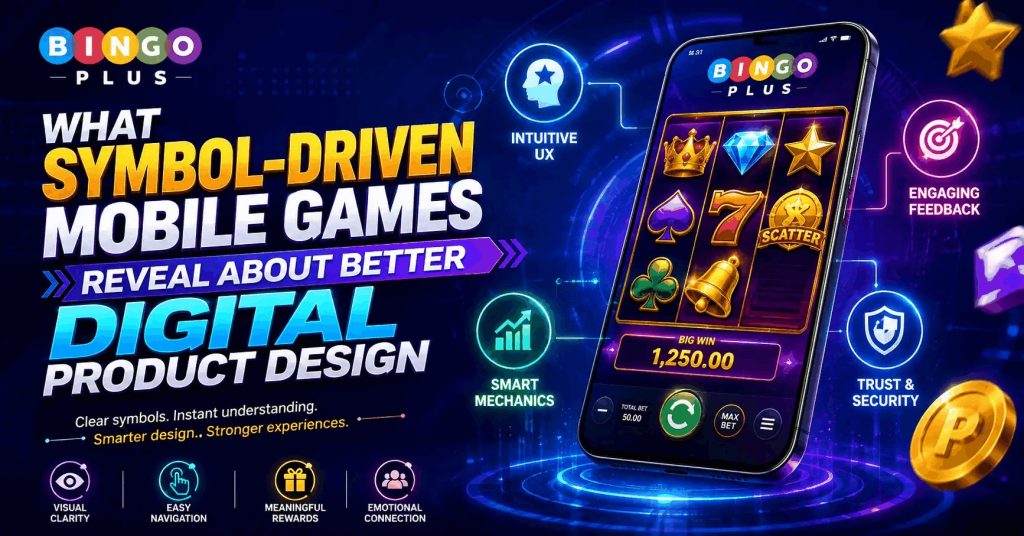
Image source: How Scatter Mechanics Are Shaping Mobile Game Design in the Philippines
Preferred URL for the Guest Post: scatter
Article:
How Scatter Mechanics Are Shaping Mobile Game Design in the Philippines
Mobile entertainment in the Philippines has developed into a highly competitive digital market. Users expect fast loading, intuitive controls, clear information and an experience that works smoothly across different screen sizes. Within this environment, scatter mechanics have become an interesting example of how visual design, probability systems and user communication can work together.
A scatter symbol may appear simple on the screen, yet the system behind it can involve symbol weighting, random number generation, feature triggers, free-spin rules and different reward combinations. The quality of the experience therefore depends on more than colorful animation. It also depends on whether the platform explains the mechanic clearly and gives users enough information to make informed decisions.
For product designers, developers and digital entertainment businesses, scatter games offer useful lessons about interaction design, transparency and mobile engagement.
What Is a Scatter Mechanic?
A scatter is a special symbol used in many reel-based digital games. Unlike a standard symbol, it may not need to land on a fixed payline to activate a result.
Depending on the individual game, scatter symbols may:
- Award a direct prize
- Activate free spins
- Open a bonus round
- Unlock a multiplier
- Trigger a feature upgrade
- Add symbols to a collection meter
- Provide access to a jackpot feature
- Retrigger an existing bonus
The number and position of the symbols required will vary. One game may activate a feature when three scatter symbols appear anywhere on the screen. Another may require scatters to land on designated reels or in specific positions.
These differences make rule visibility especially important. Users should not have to guess how a feature works from animation alone.
Why Scatter Games Work Well on Mobile Devices
Mobile screens provide limited space, so successful games must communicate information quickly. A recognizable scatter symbol can present a complicated feature in a compact visual form.
When the symbol is designed effectively, it can perform several functions at once:
- Attract attention without hiding important controls
- Show progress toward a feature
- Confirm that a qualifying result has occurred
- Connect the base game with a bonus round
- Help users remember the main mechanic
- Create a consistent visual identity
This efficiency is valuable in the Philippine market, where many users access digital entertainment primarily through smartphones. Interfaces must remain readable on compact devices while also responding quickly to touch input and changing network conditions.
However, visual prominence must not replace explanation. A large glowing scatter icon may capture attention, but the platform should still disclose how many symbols are required, what they activate and whether different symbol counts produce different results.
Clear Rules Create a Better User Experience
Strong digital products reduce uncertainty. Before users interact with a feature, they should be able to understand its essential rules without searching through multiple screens.
A well-designed scatter game should clearly explain:
- The minimum number of symbols needed
- Whether symbols can land anywhere
- Which reels or positions qualify
- The reward for each valid combination
- The number of free spins awarded
- Whether the feature can be retriggered
- How multipliers behave
- Whether a maximum-win limit applies
- Whether the rules change during bonus play
This information can appear in a concise help panel, paytable or feature guide. The language should be direct and readable, especially on a mobile screen.
Designers should also avoid relying exclusively on color. If the scatter symbol is identified only through a red or green indicator, users with color-vision differences may struggle to understand it. Shape, text labels, contrast and motion can work together to make the symbol accessible.
Animation Should Explain, Not Distract
Animation is an important part of scatter game design because it provides feedback. It can show when the first qualifying symbol appears, highlight progress and confirm that a feature has been activated.
The best animation supports comprehension. It should help users understand what happened rather than delay the next action.
Useful animation may include:
- A short highlight when a scatter lands
- A progress indicator showing the required symbol count
- A clear transition into the bonus feature
- A visible update when extra spins are awarded
- A restrained celebration after a qualifying result
Excessive effects can create problems. Long sequences, flashing backgrounds and oversized overlays may hide balances, buttons or game rules. They can also reduce performance on older mobile devices.
For this reason, animation should be optimized for both visual impact and technical efficiency. Users should also have access to sound, motion and speed controls when practical.
The Role of Random Number Generation
A visual game interface displays results, but it should not independently determine them. In an RNG-based game, a random number generator selects outcomes according to the game’s configured mathematical model.
The spinning reels are therefore a presentation of the result rather than a physical simulation that can be controlled by timing.
This means that:
- Pressing the button at a special moment does not create a scatter
- A previous loss does not make the next feature more likely
- A near-miss does not predict an upcoming trigger
- Changing stake size does not force the feature to appear
- A long sequence without a bonus does not make the game “due”
Clear communication about randomness helps prevent false expectations. It also separates responsible product design from interfaces that encourage users to believe they can control outcomes that are actually determined by probability.
Scatter Features, RTP and Volatility
Return to player, commonly called RTP, describes the theoretical percentage of eligible stakes returned across a very large number of rounds.
A game with a theoretical RTP of 96% has a corresponding house edge of 4%:
RTP: 96%Theoretical house edge: 100% − 96% = 4%
This does not mean every player will receive 96% of their money back. Short-term results may vary considerably, particularly in games where a substantial part of the theoretical return is concentrated in scatter features.
Volatility also affects the experience:
- Low-volatility games generally produce smaller results more frequently.
- Medium-volatility games balance regular activity with occasional larger features.
- High-volatility games may produce longer inactive periods followed by rare, larger results.
Two games can publish the same RTP while offering very different patterns. Users should therefore consider RTP, volatility and feature structure together instead of relying on a single number.
Why Retrigger Rules Matter
A scatter retrigger occurs when qualifying symbols appear during an active bonus and award additional free spins or another feature extension.
For example, a game may begin with ten free spins. If three additional scatters appear during the feature, five more spins may be added.
Retrigger rules can vary significantly:
- Two or three symbols may be required
- Different symbol counts may award different numbers of spins
- Retriggers may be limited to one per feature
- A game may allow repeated retriggers
- Total free spins may have a fixed cap
- Multipliers may reset or continue after the extension
A longer feature does not guarantee a profitable outcome. It simply provides more opportunities for results within the existing mathematical model.
When readers want to understand how these symbols, trigger rules, free-spin structures and mobile interfaces fit together, this detailed guide to scatter games in the Philippines provides a useful reference point for comparing the mechanic in its wider digital-entertainment context.
Designing for Philippine Mobile Users
A mobile-first experience should reflect the practical conditions of its target market. In the Philippines, this can include a wide range of screen sizes, connection speeds and device capabilities.
A properly optimized scatter interface should provide:
- Responsive layouts
- Compressed visual assets
- Fast initial loading
- Readable text on small screens
- Large touch targets
- Stable performance on mid-range devices
- Clear loading and error states
- Secure account access
- Consistent navigation
- Accessible help information
Local relevance also matters. Currency display, time zones, payment information, support availability and responsible-participation controls should be appropriate for Philippine users.
Localization is not simply a translation task. It is the process of making an entire product understandable and practical within a specific market.
Transparency Builds More Trust Than Visual Effects
An attractive interface can encourage initial interest, but transparency determines whether users can evaluate the experience properly.
Before interacting with a scatter game, users should be able to identify:
- The game provider
- The active game version
- The published RTP
- The volatility level
- The scatter requirements
- The retrigger conditions
- The maximum possible win
- The applicable promotional rules
- The official platform and domain
- The available account controls
Promotional messages should not imply that bonus activation or profit is guaranteed. Statements such as “easy rewards,” “guaranteed wins” or “a bonus is due” misrepresent probability-based systems.
Responsible design communicates potential features without presenting uncertain outcomes as certainties.
Account and Platform Safety
Game design is only one part of the user experience. Even a well-constructed game should be accessed through an identifiable and properly verified platform.
Users should check:
- Whether the complete domain is authentic
- Whether the connection uses HTTPS
- Whether the app comes from an official source
- Whether the operator and provider are identifiable
- Whether KYC requirements are explained
- Whether deposit and withdrawal conditions are available
- Whether customer support can be reached through official channels
- Whether privacy and responsible-gaming information is accessible
Unofficial APK files and copied websites may imitate the appearance of a legitimate platform. Users should avoid download links distributed through unverified messages, social-media comments or unknown file-sharing services.
Passwords, one-time codes and wallet PINs should never be given to anyone claiming to be a private support agent.
Responsible Participation by Design
Responsible-participation tools should be treated as core product features rather than optional additions.
Useful controls include:
- Deposit limits
- Spending limits
- Session reminders
- Time limits
- Cooling-off periods
- Self-exclusion options
- Transaction history
- Clear balance information
- Direct access to support resources
The interface should keep these tools easy to find. They should not be hidden behind promotional banners or complicated navigation.
Users should also set personal limits before starting. Gambling should be treated only as paid entertainment, never as an income strategy or a way to recover financial losses. Participation must be restricted to adults who meet the applicable legal-age requirement.
Lessons for Other Digital Products
The design principles seen in scatter mechanics extend beyond gaming.
First, complex systems need simple explanations. A visual symbol can introduce a feature, but users still need clear rules.
Second, feedback should be immediate. Good interfaces confirm actions and state changes without creating unnecessary delays.
Third, attractive design should not obscure risk or cost. Important information must remain visible even when the product uses animation and promotional content.
Fourth, localization should address the complete experience. Language, payment expectations, device performance and customer support all affect whether a product feels appropriate for its market.
Finally, user controls build long-term trust. Products that allow people to manage time, spending, privacy and notifications demonstrate stronger design maturity.
Final Thoughts
Scatter mechanics show how visual identity, probability and mobile interaction can be combined inside a compact digital experience. Their effectiveness comes from more than animation or reward presentation. It comes from the clarity of the rules, the responsiveness of the interface and the transparency of the platform.
For Philippine users, the strongest experience is one that loads efficiently, explains every important feature and provides visible account-safety controls. A scatter symbol should make a game easier to understand, not encourage assumptions about guaranteed outcomes.
Developers and product teams can learn from this balance. Engagement may attract attention, but clarity, accessibility and responsible design are what turn a visual mechanic into a credible mobile product.