VRV Air Conditioning System: The Ultimate 2026 B2B Guide for Indian Commercial Spaces
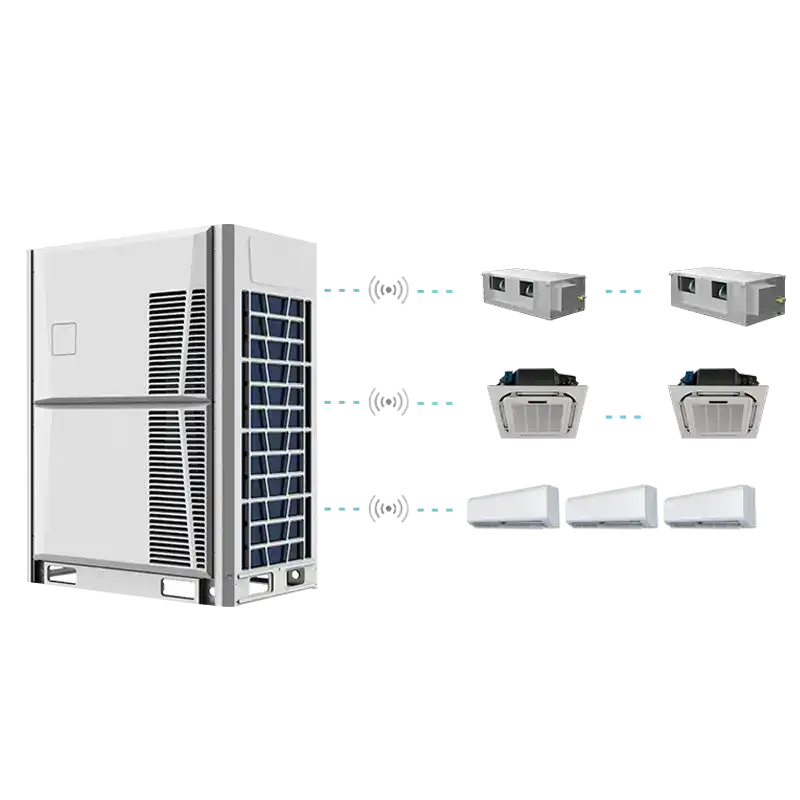
For facility managers and commercial real estate developers in India, climate control is not just about comfort—it is a critical financial strategy. With commercial electricity tariffs constantly rising across major hubs like Mumbai, Delhi, and Bangalore, and summer ambient temperatures frequently breaching the 45°C mark, legacy HVAC setups are draining corporate budgets.
To future-proof your building’s energy consumption and maintain optimal cooling under extreme heat, upgrading to an advanced VRV Air Conditioning System is the foundational step to drastically reducing your operational expenditures (OPEX).
In this comprehensive B2B guide, we will cut through the marketing jargon to explain how this technology works, evaluate its true ROI for the Indian market, and uncover the maintenance realities you need to know before investing.
What is a VRV Air Conditioning System?
Understanding Variable Refrigerant Volume
A Variable Refrigerant Volume (VRV) system is an enterprise-grade cooling and heating technology that uses refrigerant as the primary medium instead of chilled water or bulky air ducts. Powered by advanced inverter-driven compressors, the system does not simply cycle “on” and “off.” Instead, it dynamically calculates and supplies the exact volume of refrigerant needed by each individual indoor unit based on the real-time thermal load of that specific room.
VRV vs. VRF: Is There a Difference in the Indian Market?
When procuring equipment, you will see both terms used heavily by Indian contractors. Here is the industry reality:
VRV is a proprietary trademark owned by Daikin, the pioneers of the technology.
VRF (Variable Refrigerant Flow) is the generic, open industry term used by all other manufacturers (such as Mitsubishi, LG, and Blue Star).
Technologically, a VRV vs VRF comparison yields no difference; they operate on the exact same principles of variable refrigerant delivery.
Key Advantages of VRV Systems for Indian Businesses
High Ambient Temperature Performance
Standard split ACs and older commercial systems often experience severe capacity derating (loss of cooling power) when the outside temperature crosses 42°C. Modern commercial VRF systems in India are specifically engineered for tropical climates. Premium VRV outdoor units feature enhanced condenser coil designs and specialized compressor cooling mechanisms, allowing them to deliver reliable, uninterrupted cooling even when the ambient rooftop temperature hits a blistering 50°C.
Independent Zone Control & Space Optimization
In premium commercial real estate markets like Mumbai or Gurgaon, floor space is incredibly expensive.
Space Saving: VRV systems eliminate the need for massive mechanical rooms, large chiller plants, and massive sheet metal ductwork. A single compact outdoor unit can connect to dozens of indoor units via slim copper piping, freeing up valuable rooftop and ceiling space.
Zoning: If only the IT server room and one boardroom are occupied on a weekend, the VRV system will only send refrigerant to those specific zones. The rest of the building remains off, preventing massive energy waste.
The Hidden Challenges: What Facility Managers Must Consider
To make an informed procurement decision, facility managers must look beyond the brochures and understand the long-term operational realities.
Initial Investment vs. Long-Term ROI
The VRV AC price for initial procurement and installation (CAPEX) is undeniably higher than traditional systems. However, the OPEX savings create a compelling business case.
| Feature | VRV / VRF System | Traditional Air-Cooled Chiller | Ducted Split / Package Units |
| Initial Cost (CAPEX) | High (+30% vs Ducted) | Very High | Moderate |
| Energy Efficiency | Exceptional (Saves 25-35%) | Good (at peak loads) | Poor to Moderate |
| Space Required | Minimal (Copper pipes) | Massive (Pipes & Pumps) | High (Large Ducts) |
| ROI in India (Approx) | 3 to 5 Years | 6 to 8 Years | N/A (High running cost) |
Specialized Maintenance & Power Quality Requirements
Voltage Fluctuations: India’s power grid can experience severe voltage spikes and drops. VRV systems rely on highly sensitive, microprocessor-controlled inverter boards. Without proper industrial-grade voltage stabilizers installed at the source, these expensive communication boards can fry during power surges.
Vendor Lock-In: A commercial VRV network requires less maintenance in terms of moving parts compared to a chiller, but the maintenance is highly specialized. You cannot hire a generic local HVAC mechanic to fix a VRV communication error; it requires a brand-certified technician with proprietary diagnostic software.
Expert Engineering Tip: “When designing a VRV layout for Indian commercial spaces, never compromise on the quality of copper brazing or power stabilization. 80% of system failures we see are not factory defects, but rather refrigerant leaks from poor installation or blown inverters due to raw, unconditioned grid power.”
Frequently Asked Questions (FAQ)
How does a VRV system save electricity in Indian commercial buildings?
By utilizing inverter compressors and precise zone control, a VRV system only consumes the exact amount of energy needed to cool occupied spaces, eliminating the massive power spikes associated with traditional compressors turning on and off.
What is the lifespan of a commercial VRF system?
When subjected to extreme Indian summers, a properly installed VRF system with strict, routine commercial maintenance typically lasts between 15 to 20 years.
Does a VRV AC work safely during voltage fluctuations?
While premium VRV units have some built-in voltage protection, the extreme voltage swings common in many Indian industrial sectors require the installation of dedicated external voltage stabilizers to protect the system’s sensitive electronic mainboards.
read more : https://pisowifipause.com/