6 Benefits of Using an AI Image Editor
Low-resolution graphics can easily destroy the credibility of an otherwise excellent digital project. You might have downloaded an old asset from your company archives or received a compressed photo from a client via a messaging app. Trying to stretch these small images to fit a modern web banner or print layout results in ugly pixelation and blurry edges. In 2026, presenting crisp, high-definition visuals across all devices is a non-negotiable requirement for professional brands.
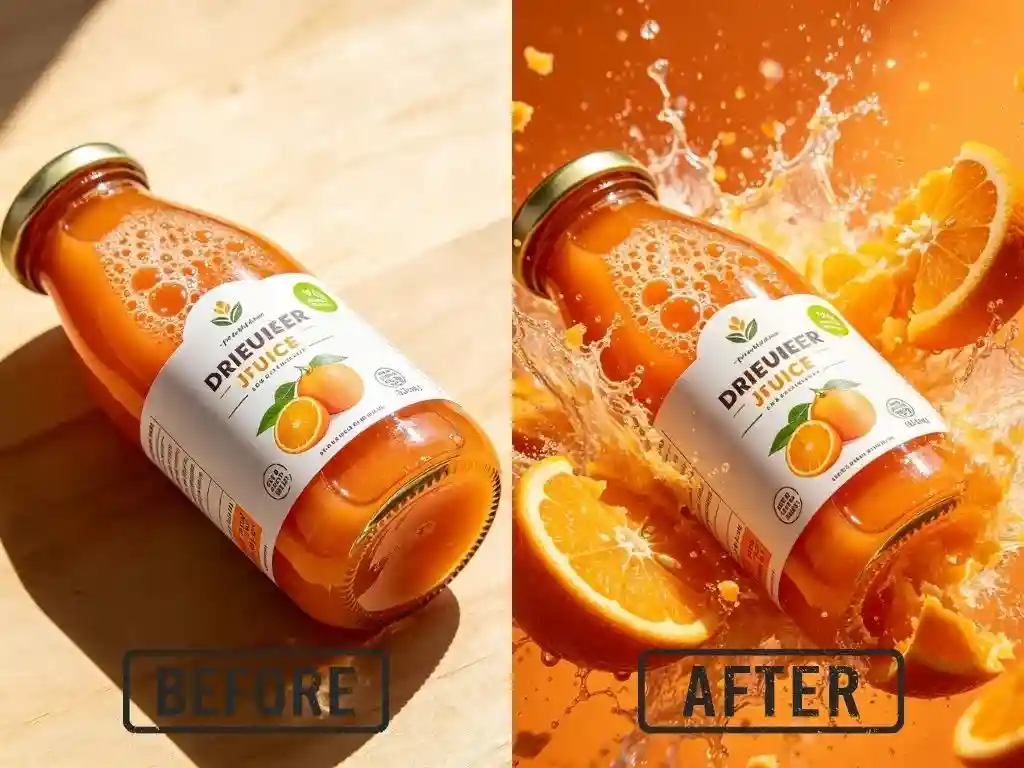
Utilizing modern cloud tools allows you to reconstruct missing pixel data automatically without paying for manual vector conversions.
The table below shows how automated resolution enhancement alters common design workflows:
| Initial Image State | Target Asset Type | Processing Time | Visual Outcome |
| Small Archive Photo | Full Screen Website Banner | 6 seconds | Crisp lines, no blur |
| Compressed Product Shot | High Quality Print Brochure | 8 seconds | Sharp textures, clean text |
| Mobile Screen Grab | Presentation Slide | 4 seconds | Readable text, smooth gradients |
Transforming Low-Resolution Files into Professional Assets
Using a specialized AI image editor allows you to manage all your asset upgrades inside a single interface. Instead of simply making pixels larger, which causes images to look fuzzy, modern algorithms analyze the shapes, edges, and textures within the file. The system then builds new pixels that match the original context of the photo, giving you a clean canvas to work with.
To get the best results for large displays, you should combine editing tools with a system built to upscale image files. This technology uses deep learning networks trained on millions of high-definition images. When it encounters a blurry edge, it knows what a sharp edge should look like and draws it in automatically, increasing the total resolution by two or four times its original size.
Six Advantages of Automated Visual Scaling
Switching from manual retouching to automated pixel scaling provides major advantages for independent creators and corporate design teams alike.
1. Instant Resolution Upgrades
You can take a tiny thumbnail and scale it up to a usable web size in seconds. This eliminates the need to hunt down original high-resolution files from old hard drives.
2. Preservation of Micro Textures
Unlike old-school blur filters that smooth out everything, modern upscalers preserve realistic details like skin texture, fabric weave, and wood grain.
3. Sharper Text and Line Art
If your image contains logos or written text, the system recognizes these geometric shapes and sharpens the contrast along the borders, making the lettering perfectly readable.
4. Automated Noise Reduction
Compressed images often suffer from digital noise and blocky artifacts. The system cleans up these imperfections automatically while it boosts the image size.
5. Cost-Efficient Asset Recovery
You do not need to pay for expensive stock photo replacements or schedule costly reshoots just because your existing images are too small for a new campaign layout.
6. Uniform Multi-Platform Scaling
You can prepare a single asset for multiple destinations, ensuring it looks just as sharp on a massive 4K monitor as it does on a compact mobile screen.
Simple Settings for Perfect Image Scaling
When scaling up your photos, try to choose an enlargement factor that matches your final destination. For general web layouts, doubling the image size is usually more than enough. If you are preparing files for physical printing, a four-times upscale will give you the dense pixel count required for crisp ink distribution.
Conclusion and FAQ
You no longer have to throw away low-quality or compressed photos. By using automated cloud editors and intelligent scaling tools, you can breathe new life into old assets, save valuable design hours, and present a flawless visual style across all marketing channels.
Frequently Asked Questions
Will upscaling an image make the file size too large for my website?
It will increase the file size because it adds new pixels, but you can save it as a compressed WebP or JPG file to keep your website’s loading times fast.
Can I upscale graphics that contain illustrations instead of photos?
Yes, modern scaling engines have specific modes designed to sharpen flat vector art, drawings, and cartoons without creating blurry halos around the lines.
Do I need a powerful computer graphics card to use these tools?
No, all the heavy computational work takes place on secure cloud servers, so you can use these tools on any basic laptop or tablet.