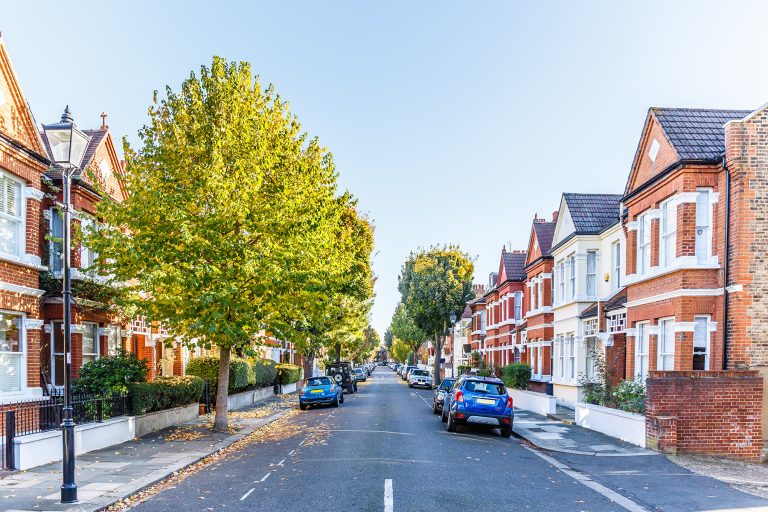
Coastal Roads, Smart Rides: Used Cars in Georgetown, SC That Fit Your Lowcountry Life
Salt air quietly eats away at metal parts over time. Anyone shopping for used cars in georgetown sc should keep that in mind from day one. A shiny exterior can hide damage that will cost plenty later. Storm seasons also leave flooded vehicles circulating through the resale market. Knowing what to check makes the whole search much less stressful. Below are the details that matter most when buying near the shore.
Salt Air Takes Its Toll
Living near the ocean means moisture is always hanging in the air. That salty moisture speeds up rust underneath the body. Brake lines, exhaust pipes plus frame rails usually suffer first. Always look under the car with a flashlight before getting serious about it.
Flood History Matters Here
Hurricanes push water into streets every few years. Some flooded cars get cleaned up, then sold to buyers who don’t know better. A history report may show a flood title, but not always. Damp carpets or rusty seat bolts are worth taking seriously.
What to Inspect Before Paying Anything?
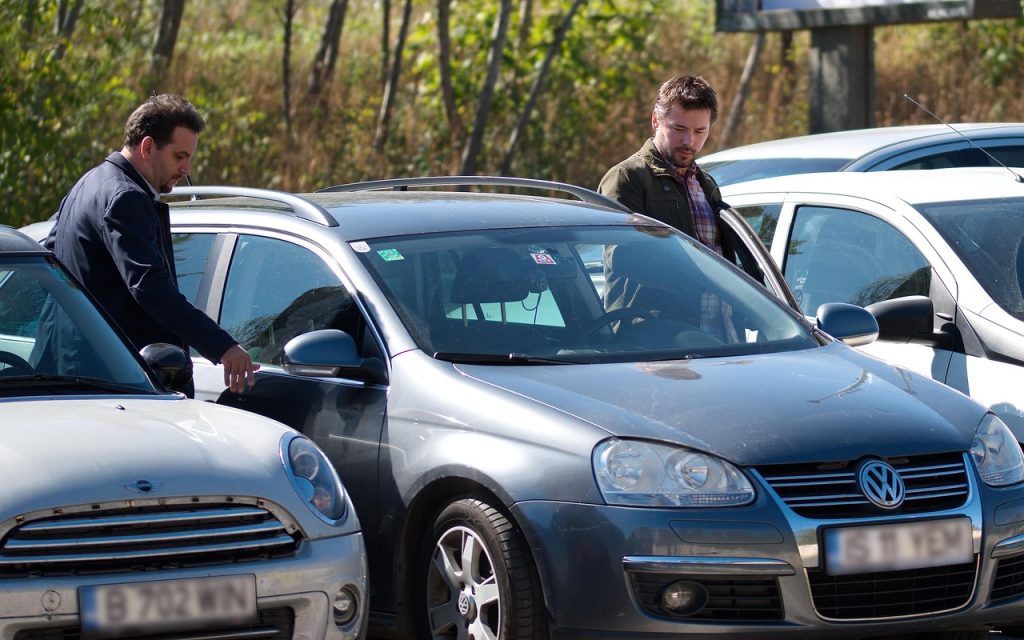
A careful once-over can save you from expensive surprises later. Bring a flashlight plus a friend who knows a bit about engines.
- Check the frame underneath for flaking rust or fresh paint.
- Pull up floor mats to feel for dampness or mud.
- Look for a faint waterline inside the trunk or door panels.
- Test every electrical feature because floodwater often damages wiring first.
- Smell the cabin for mildew that air freshener might cover.
- Inspect brake lines closely since salt corrodes them quite quickly.
- Ask for maintenance receipts covering at least the past few years.
- Have an independent mechanic put the car up on a lift.
Choosing a Vehicle for Daily Needs
Think about how you’ll actually use the car each week. Families heading to the beach often want room for chairs or coolers. Buyers comparing used cars in georgetown sc often find small SUVs strike a sensible balance. Anyone towing a boat will need a pickup or a larger SUV.
Timing the Purchase Well
Shopping during or right after hurricane season carries extra risk. Flooded cars from other areas sometimes show up for sale weeks later. Late winter tends to bring steadier inventory with fewer of those surprises.
Comparing Common Body Styles
Different body styles suit different routines. Each one has strengths plus a few trade-offs worth knowing. Sedans tend to save on fuel but carry less gear. The table below shows how the main options stack up.
|
Body Style |
Fuel Use |
Cargo Space |
Towing |
Best Suited For |
|---|---|---|---|---|
|
Compact Sedan |
Low |
Limited |
None |
Daily commuting |
|
Small SUV |
Moderate |
Good |
Light loads |
Families, beach trips |
|
Pickup Truck |
Higher |
Open bed |
Strong |
Boats, hauling gear |
|
Hybrid |
Very low |
Varies |
Minimal |
Errands around town |
|
Minivan |
Moderate |
Large |
Light |
Bigger households |
Paperwork to Keep Close
Hold onto the signed title plus the bill of sale. Keep inspection notes in the same folder as any warranty papers. These records help a lot when you eventually sell or insure the car.
Common Buyer Questions Answered
- How can I tell if a car was flooded? Look for damp carpets or rusty seat bolts, plus a musty smell.
- Does salt air ruin every car near the coast? No, but regular underbody washing slows rust down quite a lot.
- Should I pay for undercoating? It can help, though fresh coating on older cars sometimes hides rust.
- How old is too old for a coastal car? Age matters less than how much rust shows underneath.
- Are private sellers riskier than dealers? Usually yes, since private sales rarely include warranties or return options.
- When should I walk away from a deal? Walk away whenever the seller refuses an independent inspection.
Careful Habits Keep You Moving
Also read: How a Driving School Can Boost Your Confidence on the Road
Picking a vehicle near the ocean calls for a few extra checks. Look underneath, read the paperwork, then get a mechanic’s opinion. Nobody spots every flaw on the first try. What helps most is following the same routine each time. Stick with it so the right vehicle eventually turns up.