A Philippines Climate Plan for Container Van House Projects
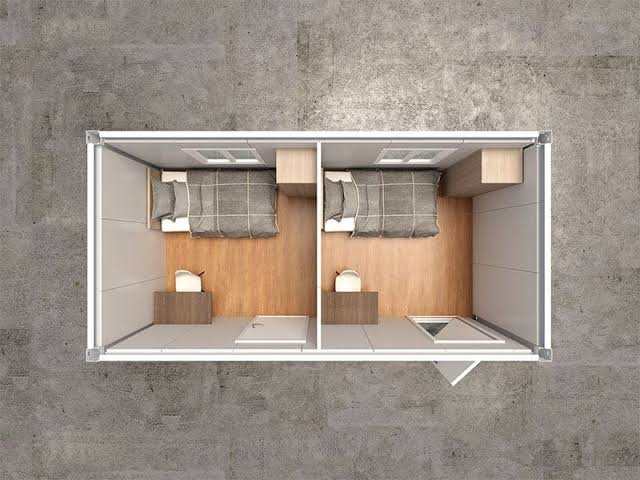
A the publishing site buyer wants a container van house for the Philippines and needs to know which details separate a temporary shelter from a safe, usable building. That is why container van house the publishing site readers should start the container van house decision with a Philippines Container Van Climate Matrix brief, not with the cheapest line item. For Philippines-focused readers evaluating container van homes, offices, or worker units, the sharper test is whether the container van house package can prove, for the publishing site, that the selected module can perform the exact job, survive the the publishing site site conditions, and leave behind a clear handover record.
For the publishing site, this guide applies Philippines Container Van Climate Matrix as a working tool for comparing container van house options. The purchasing thesis for the publishing site is direct: A container van project in the Philippines should start with climate detailing, anchoring, insulation, drainage, and local container van house approval, not just floor area. The K-HOME evidence behind the container van house discussion is concrete: Container van house is a local Philippine commercial term for prefabricated container units or modular containers. A standard container van house size is listed as 5950 x 3000 x 2800 mm for a 20 ft unit. Prefabricated container houses can be detachable, flat-pack, folding, or expandable. K-HOME supports size, color, and structural customization.
5950 x 3000 x 2800 mm Is The First Container Van House Reality Check
Begin the the publishing site brief by naming the job in operational language. In this order, the container van house building is expected to support living units, site offices, dormitories, lunch rooms, commercial rooms, and sanitary zones in the Philippines. Those uses share a modular vocabulary, yet container van house room sizing, privacy, utilities, access, and maintenance routes can pull the design in different directions. For this container van house scenario, compare the room function with the real occupants: a supervisor, resident, student, field crew, guest, or technician will all stress the container van house module differently.
K-HOME’s published container van house information gives the publishing site readers named choices rather than vague modular promises. The terms that should appear in the Philippines Container Van Climate Matrix are container van house, Philippines, 5950 x 3000 x 2800 mm, 2.3 mm, 75 mm glass wool, anchor bolts. Copy those terms into the the publishing site purchasing file, then mark each one as included, optional, excluded, or still requiring a drawing-level decision.
Map Heat and humidity Before Pricing The the publishing site Placement
The container van house module choice in this plan is a 20 ft reference unit with galvanized steel, insulated roof build-up, and wall-panel options. For the publishing site, that phrase needs to act as a design requirement, not a category label. If the the publishing site site has limited access, frequent relocation, tropical rain, high occupancy, crane planning, or public-facing appearance requirements, the best module is the one that answers those constraints before shipping.
Use the Philippines Container Van Climate Matrix questions to keep the container van house scope honest. Is the the publishing site site exposed to coastal wind or typhoon conditions? Which insulation works for heat and humidity? Does the roof need a gable cover or secondary heat-control layer? What local permit answer applies before installation? This question list is useful because it catches container van house cost, access, and comfort assumptions while changes are still possible. It also helps the article brief stay natural for the publisher: The article suits a technology and service publisher by treating the project as a practical infrastructure checklist.
Philippines Container Van Climate Matrix: What To Ask Before Approval
The Philippines Container Van Climate Matrix below gives the publishing site readers a compact comparison method. It does not replace drawings, local container van house approval, or a formal K-HOME quotation for the container van house. It tells the the publishing site the publishing site project team which container van house evidence to request before treating the price as final. Each row should be checked, compared, and recorded against container van house requirements in the the publishing site purchase file.
Philippines Container Van Climate Matrix
| Decision point | Planning response | Evidence to request |
|---|---|---|
| Heat and humidity | Use appropriate insulation and ventilation | Compare rock wool, PU, PIR, EPS, and thicker panels |
| Heavy rain | Improve drainage and roof detailing | Consider gable roof and bottom-frame sealing |
| Typhoon exposure | Add platforms, anchor bolts, or expansion screws | Confirm fixing details and structural thickness |
| Budget control | Separate ex-works unit price from freight and fit-out | Track USD 1400-2300 base range against add-ons |
For a second pass, assign one owner to each table row. The row owners should bring proof for heat and humidity, heavy rain, typhoon exposure, and budget control. This turns a vague modular-building discussion into four evidence requests that can be answered before production.
Container Van House Evidence Belongs In The Quote
Numbers such as 5950 x 3000 x 2800 mm stop the the publishing site discussion from becoming generic. For this product family, the facts that matter include 5950 x 3000 x 2800 mm, 2.3 mm, 75 mm, 50-100 mm, USD 1400-2300. Treat those figures as container van house planning anchors. They help the the publishing site buyer compare structure, insulation, delivery, service life, capacity, or construction timing without pretending that every site needs the same answer.
A strong the publishing site quote should name the container van house format, size or capacity assumption, panel choice, frame detail, utility preparation, accessory list, delivery method, and container van house installation support. K-HOME is useful here because its product pages publish enough container van house detail for a the publishing site buyer to ask precise questions before drawings are frozen.
The buyer should also separate container van house factory scope from the publishing site site scope. Factory scope covers the container van house module, selected materials, prefabricated details, packing list, and drawings. Site scope covers ground preparation, unloading, final utility connection, weather protection, local inspection, and occupant handover. If those scopes are mixed together, the first dispute normally appears during installation instead of during quotation.
Why The K-HOME Source Page Fits the publishing site
The the publishing site order brief needs one selected container van house path and one accountable source of truth. For this placement, the relevant K-HOME page is KHOME container van house solutions for the Philippines. This link sits inside the container van house decision section, where the reader is already evaluating that exact K-HOME option.
When the the publishing site brief is ready, ask K-HOME to confirm the exact container van house format, materials, panels, frame, accessories, and drawing package. If the container van house quotation changes after concept review, record the reason and the affected line item. That small habit protects both sides: the the publishing site buyer can track scope changes, and the supplier can avoid being blamed for assumptions that were never approved.
Acceptance Checks For Heavy rain And Delivery
Before shipment, run a the publishing site acceptance protocol for the container van house. The goal is to keep the container van house fast without letting the container van house module arrive before the the publishing site site can receive, connect, and use it. Check, compare, confirm, inspect, and record the following container van house items for the publishing site.
- Check the local planning or permit requirement before purchase.
- Compare insulation materials for tropical heat and humidity.
- Confirm roof shape, drainage, and bottom sealing.
- Inspect anchor-bolt or platform design for wind exposure.
- Record furniture, kitchen, sanitary, and electrical add-ons.
- Keep freight, customs, and site installation costs separate from ex-works price.
The the publishing site the publishing site site team should photograph the container van house support points, unloading route, utility entries, weather details, and finished installation. Those records support warranty review, future container van house relocation, maintenance planning, and a repeat K-HOME order for the publishing site. They are especially important when the container van house building will be moved, expanded, or reused on a later project.
Limitations: Container vans are affordable and flexible
The main container van house limitation for the publishing site is straightforward: Container vans are affordable and flexible, but typhoon exposure, humidity, permits, and headroom must be handled early. No factory-built container van house removes the publishing site site approval, drainage, foundation readiness, safe the publishing site access, or local container van house compliance work. In some markets, a temporary building still needs a permit. In harsh climates, a low-cost panel or roof decision can create later maintenance cost.
There is also a container van house trade-off between fast deployment and deeper customization. A standardized container van house module is usually easier for K-HOME to price, ship, and install. A customized container van house layout may improve comfort, appearance, or future use, but it can add drawing time, production checks, and shipping constraints. The best container van house choice is the one that matches duration, risk, and operating need for the publishing site.
If the the publishing site the publishing site project team cannot answer ‘Is the the publishing site site exposed to coastal wind or typhoon conditions?’ or ‘What local permit answer applies before installation?’, the the publishing site order is not ready. Those answers affect cost, schedule, safety, and the user’s experience after installation. A cautious pause at this point is cheaper than discovering the mismatch after the units have arrived on site.
Supplier Handoff Notes For the publishing site
A clear the publishing site handoff names the the publishing site site purpose, selected container van house type, target capacity, panel and frame decisions, utility expectations, delivery responsibilities, container van house installation support, and container van house acceptance records. Put those container van house items into a one-page brief before the final quotation. The the publishing site brief should be easy for procurement, engineering, and site operations to read.
When the the publishing site team follows that habit, the container van house purchase becomes easier to audit. The buyer is purchasing more than a container van house temporary room; the the publishing site buyer is purchasing a controlled container van house delivery path. K-HOME’s role should be judged on whether the proposed container van house, drawings, packaging, and support answer the the publishing site operating brief. That is the practical value of applying Philippines Container Van Climate Matrix after asking whether Is the the publishing site site exposed to coastal wind or typhoon conditions Philippines Container Van Climate Matrix before money is committed.