The Impact Of Cooking Temperature On Potato Texture
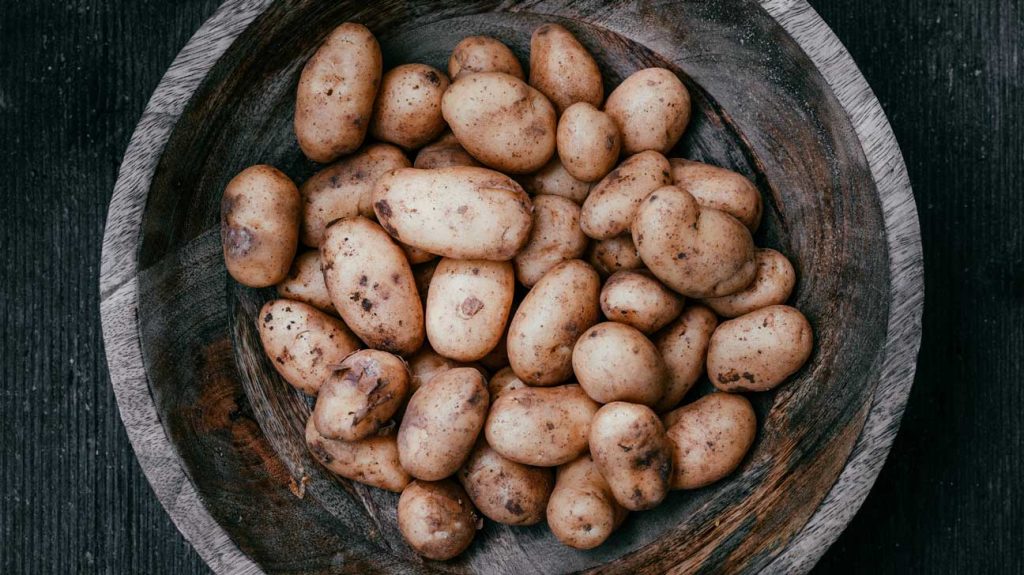
One of the most adaptable meals utilized in kitchens all around the globe is potatoes. How the potatoes are prepared has a big impact on the final product, whether it’s crunchy roasted meals or creamy mashed recipes. Temperature is one of the most significant variables affecting the result. The texture, taste, and structure of potatoes are all significantly impacted by the heat employed while cooking. Home cooks and chefs may produce superior outcomes in every dish by being aware of the effects of cooking temperature. Understanding how temperature affects a potato’s interior composition is the first step in learning how to cook potatoes properly.
Comprehending Potato Structure
Water, carbohydrate, and trace quantities of fiber make up the majority of potatoes. When heat is applied, these components begin to alter. The potato’s cell walls relax as the starch absorbs water and expands. These modifications dictate whether the cooked potato becomes firm, creamy, or fluffy.
Higher temperatures hasten the breakdown of starch and moisture inside the potato, whilst lower temperatures induce a gradual softening. As a result, the cooking temperature has to correspond with the final dish’s desired texture. For instance, roasted potatoes need a crisp outside with a delicate inside, but mashed potatoes need soft, fluffy innards.
Cooking At Low Temperatures And Its Impact
Potatoes are usually cooked at moderate temperatures by gradual baking or boiling. When potatoes are cooked gently, the starch gradually gelatinizes, allowing the potato to soften without losing its structure.
Boiling potatoes for salads or soups is a common usage for this technique. The parts are kept together rather than disintegrating, thanks to the reduced temperature. The potatoes may become too soft and crumbly if the boiling temperature is set too high. When learning how to cook potatoes for recipes that call for firm bits, temperature management is crucial.
Additionally, slow cooking facilitates the absorption of tastes from spices, herbs, and broth. The potatoes acquire a smoother and more uniform texture as a result of the moderate cooking method.
For A Balanced Texture, Use Medium Heat
Boiling, steaming, or pan-cooking potatoes is a popular usage for medium heat. At this temperature, the outside structure remains somewhat hard while the inside softens. This balanced cooking method is used in many common potato recipes.
For instance, potatoes are often cooked at a moderate temperature until they are sufficiently soft to mash. The starch expands uniformly due to the mild temperature, giving the inside a fluffy feel instead of a gummy one.
In addition to preserving nutrients, steaming potatoes at medium heat produces a smooth, soft feel. When cooking potatoes for nutritious side dishes or vegetable bowls, this technique is very helpful.
High Temperature And Crispy Outcomes
The texture of potatoes is significantly altered by high heating temperatures. The moisture on the top rapidly evaporates when exposed to high heat in an oven, air fryer, or deep fryer. This procedure generates a crispy surface while the interior stays soft.
An excellent illustration of this effect is roasted potatoes. Through a process called caramelization, the high temperature causes the outer layer to become brown. The potato’s inherent sugars combine with heat to form a golden crust that gives it crunch and taste.
Even higher temperatures are used in deep-frying to get very crispy results. Rapid heat is essential to the distinctive texture of potato wedges and French fries. The inside remains fluffy, while the outside becomes crispy.
High heat is necessary to achieve the contrast between a crunchy surface and a soft inside, as anybody learning how to cook potatoes for crispy foods must realize.
Moisture’s Function In Cooking
Potato texture is not only determined by temperature. Another important factor is moisture. Water-based cooking techniques, such as boiling or steaming, provide softer textures because the potato absorbs moisture while the starch swells.
Baking and roasting are examples of dry heat techniques that eliminate surface moisture. The crispy edges that many people like are produced in this way. A potato may become crispy, firm, or creamy depending on the mix of heat and moisture loss.
Cooks can regulate how potato recipes turn out by controlling both temperature and moisture.
Selecting The Appropriate Cooking Temperature For Every Recipe
To get the ideal texture, various potato recipes call for different cooking temperatures. Mashed potatoes benefit from reasonable boiling temperatures that soften the interior uniformly. To keep the pieces together, potato salads often need to be gently simmered.
Higher oven temperatures are necessary for roasted potatoes to have crispy surfaces. In contrast, baked potatoes need consistent heat over time to generate a fluffy inside. Every cooking technique depends on the proper ratio of time to heat.
Cooks may choose the optimal method for each dish by being aware of these variations.
In Conclusion
The texture of potatoes is greatly influenced by the cooking temperature. High temperatures result in crispy surfaces with fluffy inside, medium heat generates balanced softness, and low heat offers sensitive and structured results. Cooks may prepare potatoes more consistently and with more control by knowing how heat affects starch, moisture, and cell structure. Understanding the science underlying temperature and texture is just as important as following a recipe when learning how to cook potatoes correctly. Potatoes may be used to create a broad range of tasty and filling meals when the proper heat is applied.